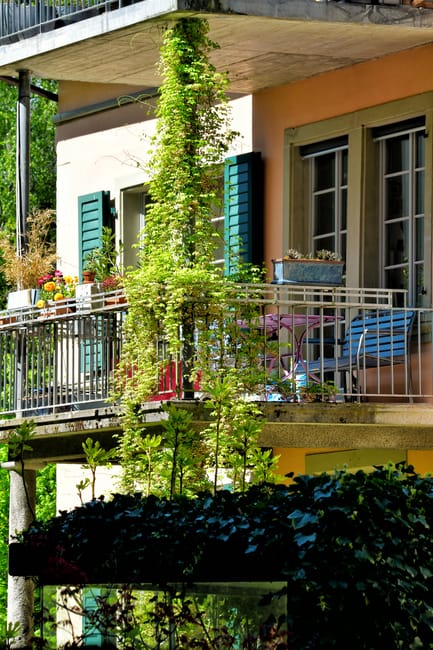
Castelnau Garden Maintenance Guide for SW13 Terraces
If you live in a SW13 terrace, you already know the garden can feel like a bonus room, a headache, or both on the same Tuesday. Space is often tight, fences matter more than you'd expect, and one windy week can turn a neat little courtyard into a messy patch of pots, weeds, and blown-about leaves. This Castelnau garden maintenance guide for SW13 terraces is built for that reality: small outdoor spaces, practical routines, and the kind of upkeep that keeps a terrace garden looking cared for without eating your whole weekend.
Whether your garden is a slim rear run, a paved courtyard, or a classic London terrace with beds, climbers, and containers, the trick is not doing everything at once. It's doing the right things at the right time. That's what this guide covers, from seasonal maintenance and plant choices to common mistakes, tools, and when professional help makes sense.
Why Castelnau garden maintenance guide for SW13 terraces Matters
Terrace gardens in Castelnau and the wider SW13 area tend to face a very specific mix of conditions. There's often limited planting depth, more hard landscaping than people first expect, and plenty of overlooked corners where weeds, moss, and ivy quietly get comfortable. Add shade from neighbouring buildings, gusty weather funnels, and the classic London habit of "I'll sort that next weekend," and you have a garden that can slide downhill quickly.
Good maintenance is not just about looks. It affects usability, drainage, privacy, and even how safe the space feels underfoot. A paved terrace with algae on the slabs becomes slippery. A neglected hedge can become leggy and patchy. A small border left to its own devices can turn into a root-bound tangle that costs more to fix later. Truth be told, terrace gardens reward consistency more than heroics.
There's also the lifestyle side. In SW13, many people want a garden that works for morning coffee, a dog coming in muddy from the path, a child's scooter, or a quiet evening seat after work. That means maintenance has to support daily life, not interrupt it. If you're aiming for a calmer, lower-effort space, it can help to think of your garden as a small system rather than a collection of separate jobs. That mindset makes everything easier.
For deeper support on general upkeep, the site's garden maintenance service is a useful place to start, especially if your terrace already needs a full reset rather than a light tidy.
How Castelnau garden maintenance guide for SW13 terraces Works
The simplest way to maintain a terrace garden is to break it into zones and rhythms. Instead of trying to "do the garden" all at once, you deal with the surfaces, the plants, the boundaries, and the waste on a regular cycle. That way, the work stays manageable and the results last longer.
In practical terms, terrace maintenance usually works like this:
- Assess the garden's structure - look at paving, beds, walls, fences, pots, drainage, and access.
- Clear debris and overgrowth - remove dead leaves, cut back tired growth, and deal with weeds before they spread.
- Refresh the planting - feed, mulch, re-pot, trim, divide, or replace plants as needed.
- Protect the hard landscaping - clean patios, check timber, inspect fencing, and keep paths clear.
- Set a repeatable schedule - weekly light tasks, monthly checks, and seasonal jobs.
That's the real secret. Not glamour. Rhythm.
Small gardens often look best when the structure is crisp and the planting is intentional. You may only have room for a few strong features, so maintenance needs to preserve shape and avoid clutter. A terrace with three well-kept containers, a clean path, and one healthy climber can feel more finished than a bigger space packed with neglected bits and pieces.
If your garden includes vertical features, it can be worth borrowing ideas from vertical gardening design, because walls and screens are often the difference between a cramped terrace and a space that feels layered and calm.
Key Benefits and Practical Advantages
Good terrace garden maintenance pays off quickly. Not always dramatically, but steadily. A few weeks of consistent attention can make a space feel brighter, larger, and easier to use. Here are the main benefits you'll notice.
- Better visual order - tidy edges, healthy foliage, and clean surfaces make even a small garden feel intentional.
- Less repair work - small issues with weeds, cracked joints, loose trellis ties, or damp timber are easier to handle early.
- Improved drainage and safety - especially on paved terraces where moss and standing water can become a nuisance.
- Longer plant life - regular feeding, pruning, and re-potting stops container plants from stalling out.
- More privacy - a maintained hedge, climber, or screen works better than a scruffy one, obviously.
- Lower stress - a space that feels under control is simply nicer to come home to.
For many homeowners, there's also a practical financial angle. Well-maintained surfaces, timber, and planting tend to last longer, which can reduce the need for bigger remedial work. A garden that's looked after tends to age better. Not magic. Just good housekeeping.
If your terrace edges into a seating area, a tidy finish can also change how you use the space. A clean, maintained patio makes al fresco dinners feel realistic rather than aspirational. If you want that kind of finish, patio cleaning is one of the most effective ways to reset the whole garden fast.
Who This Is For and When It Makes Sense
This guide is for people who want a terrace garden that works, not one that just looks good in photographs. It suits first-time homeowners, busy families, landlords, downsizers, and anyone in SW13 who prefers a neat outdoor space without spending every spare Saturday with shears in hand.
It makes particular sense if you:
- have a compact terrace or courtyard garden with limited planting space
- struggle with weeds, moss, or fast-spreading climbers like ivy
- want more privacy from neighbouring properties
- need a low-maintenance planting plan
- share the space with pets or children
- have a windy, shady, or awkwardly narrow outdoor area
- are preparing to sell, let, or simply enjoy the property more
It's also useful if your garden has changed shape over time. A lot of terraces start with one idea and end up with five: a barbecue corner, a herb pot, a screening fence, a half-dead climber, and a patch of lawn that nobody admits owning. That's normal. The answer is usually not a complete redesign, but a smart maintenance plan that restores order.
And if your boundaries are part of the problem, you may also want to look at hedge trimming in Castelnau for a sharper, more controlled finish along the edges.
Step-by-Step Guidance
Here's a practical way to approach SW13 terrace maintenance without making it feel like a second job. This is the part to bookmark, or screenshot, or just mentally keep in your back pocket.
1. Start with a clean sweep
Remove leaves, twigs, old pots, dead growth, and anything that no longer belongs. On terrace gardens, clutter accumulates fast because the space is small, so every stray item is visually louder. A clean sweep gives you a true view of what needs attention.
2. Deal with weeds before they root deeper
Weeds in terrace gardens often appear in paving joints, along wall edges, and at the base of containers. Handle them early and consistently. If left alone, they become one of those annoyingly persistent jobs. For a structured approach, see these weed-fighting techniques for a practical starting point.
3. Check drainage and surface condition
Look for pooling water, slippery patches, sunken slabs, or compacted borders. In London gardens, drainage issues often show up gradually, so they're easy to ignore until one rainy spell makes the problem obvious. If the patio is green underfoot or the paving is stained, a proper clean can make a surprising difference.
4. Prune with purpose
Pruning in terrace gardens should be selective. You want to keep shape, airflow, and light. Remove dead, crossing, or overlong stems, but avoid the urge to flatten everything into submission. Plants need a little personality, after all. For shrubs and privacy planting, the hedge-shaping guide is a helpful companion.
5. Refresh containers and borders
Container plants in particular need regular feeding and root checks. If the compost is tired, the plant will often look tired too. Swap in fresh compost where needed, rotate pots for even growth, and remove plants that have clearly outgrown their container. It sounds obvious, but people forget this all the time.
6. Review planting for the season
In spring and summer, you may need more watering, feeding, and deadheading. In autumn, focus on clearing debris and protecting tender plants. Winter is the time to stabilise structure, check damage, and reduce anything that will snap in wind or heavy rain.
7. Maintain privacy and boundaries
Terrace gardens often depend on fences, hedges, and climbers for privacy. These need their own maintenance rhythm. A weak fence or a tangled climber can make the whole garden feel unfinished. If your boundary needs an upgrade, take a look at fencing options and the guide on durable fencing materials for windy conditions.
8. Finish with a simple reset
Once the essentials are done, step back and look at the garden from the door. Does it feel balanced? Is there clear space to walk? Are the focal points visible? That final check catches the little things. A half-lopsided pot, a hose left snaking across a path, a trellis tie that's gone slack. Tiny stuff. But tiny stuff matters.
Expert Tips for Better Results
In our experience, the best terrace gardens are not the ones with the fanciest planting. They're the ones with a plan that respects the space. A few expert habits make a big difference.
- Use repetition, not clutter. Two or three repeated plants often look calmer than ten different ones fighting for attention.
- Think upward. On terraces, vertical structure matters. Trellis, climbers, and wall planters help create depth without eating floor space.
- Choose plants that suit the aspect. Shady north-facing corners need different treatment from bright, exposed ones. If your garden gets little sun, shade-loving planting ideas are worth exploring.
- Keep a simple maintenance kit close by. If tools are easy to grab, jobs actually get done. Funny how that works.
- Mulch where you can. It helps suppress weeds and hold moisture, especially in smaller beds and around shrubs.
- Water deeply but less often. Shallow watering encourages shallow roots. Deep watering is better for resilience.
- Plan around the weather. A windy evening can undo a morning's progress, so secure pots and check loose ties before storms.
Another good move is to build in low-maintenance planting from the start. If you are redesigning or refreshing the space, budget-savvy low-maintenance tips can help you choose a simpler layout that still looks polished.
And if you enjoy growing a bit of food, even a terrace can carry herbs nicely. One rosemary pot by the back step, a few mints in containers, maybe some thyme by the kitchen door. It's small, but it feels good.
Common Mistakes to Avoid
Most terrace garden problems come from a few repeated mistakes. The good news? They're all fixable.
- Ignoring the hard landscaping. A garden is not healthy if the patio is filthy or the path is slick with algae.
- Overplanting a small space. Too many plants can make a terrace feel smaller and create more maintenance than you want.
- Using the wrong plants for the site. Sun lovers in deep shade, thirsty specimens in exposed pots, and climbers with nowhere to go are all common regrets.
- Letting ivy or climbers take over. They can quickly become structural problems if left too long. See lasting ivy eradication for a sensible approach.
- Forgetting seasonal pruning. If you wait until things are overgrown, the cut is harsher and the results are less graceful.
- Leaving soil exposed. Bare soil invites weeds and dries out quickly.
- Neglecting pots and planters. Container gardens can go from lush to tired surprisingly fast.
One more, and this is a classic: buying plants before thinking about maintenance. A beautiful plant that needs constant attention is not automatically a good terrace plant. Ask yourself, honestly, will you still enjoy caring for it in August when the city feels hot and everything needs watering by 7 a.m.?
Tools, Resources and Recommendations
You do not need a shed full of gadgets to maintain a SW13 terrace well. A tight, sensible kit usually beats a pile of shiny extras. If you are building from scratch, start with the essentials and add only what your garden actually demands.
- Hand fork and hand trowel - for planting, lifting weeds, and refreshing containers.
- Bypass secateurs - for clean cuts on living stems.
- Garden gloves - particularly useful when tackling thorny, damp, or stubborn jobs.
- Stiff broom or outdoor brush - ideal for terrace surfaces and corners.
- Hose or watering can - especially useful for deep watering on dry spells.
- Spade or border spade - if you're doing any border reshaping or replanting.
- Securing ties and soft supports - important for climbers and taller plants.
For a broader look at useful equipment, the article on must-have tools for garden care is a practical companion.
Some terrace owners also benefit from more specialised services rather than buying more tools. For example, if the space includes a lot of paving, lawn mowing may not be relevant, but patio cleaning, lawn care, or decking services can be very helpful depending on the layout.
For more general support, the broader gardening services page is worth viewing if your terrace needs a mixed approach rather than one-off tidy-ups.
Law, Compliance, Standards, or Best Practice
For most terrace gardens, the main compliance concerns are straightforward: safety, neighbourly care, and responsible maintenance. You are not usually dealing with complex legal issues, but there are still sensible standards to follow.
First, boundary work. If you are trimming hedges, dealing with fences, or making changes near shared boundaries, be mindful of ownership and access. That can get awkward quickly if assumptions are made. If in doubt, it is better to check before cutting.
Second, working safely at height. Even on a terrace, ladders, step stools, and long-reach tools introduce risk. Good practice is to keep work stable, avoid overreaching, and use appropriate equipment for the task. The site's health and safety policy and insurance and safety information give useful reassurance if you are considering professional help.
Third, waste handling. Green waste should be collected and disposed of sensibly, whether that means composting at home or arranging removal. The point is to avoid dumping material where it blocks drains, attracts pests, or becomes a slip hazard.
Fourth, respectful work around neighbours. Terrace gardens are close-quarter spaces. Noise, debris, and overspray matter more than in detached homes. It sounds obvious, but a little courtesy goes a long way in shared residential streets.
Finally, always work to accepted best practice even when the job seems small. Clean cuts, secure fixings, tidy waste removal, and safe handling of tools are the standards that keep a garden job from becoming an avoidable drama.
Options, Methods, or Comparison Table
There is no single correct way to maintain a terrace garden. The best method depends on how much time you have, how much growth the space produces, and whether you want a polished showpiece or a relaxed low-effort setup. Here is a simple comparison to help.
| Method | Best for | Pros | Watch out for |
|---|---|---|---|
| Weekly DIY tidy-up | Small, manageable terrace gardens | Low cost, flexible, easy to keep on top of | Can slip if you miss a few weeks |
| Monthly deeper maintenance | Busy homeowners with limited time | More thorough than a quick tidy, still practical | Needs discipline and a good checklist |
| Seasonal overhaul | Gardens that have become neglected | Fast reset, clearer structure, strong visual impact | May not hold without follow-up care |
| Professional maintenance support | Overgrown, complex, or time-poor households | Expert attention, safer for tougher jobs, more consistent finish | Requires choosing the right provider and scope |
If you want a garden that stays neat without constant effort, a blended approach often works best: you keep up the easy weekly tasks, and bring in professional help for the heavier work. That balance is often the sweet spot in SW13. Not flashy, just sensible.
Case Study or Real-World Example
A typical SW13 terrace might start the year looking fine from the kitchen window, then quietly drift into a mixed state by late spring. There's a small paved sitting area, two tired containers, a hedge that has pushed out unevenly, and weeds appearing where the slabs meet the wall. Nothing disastrous. Just enough to feel unfinished.
In a practical refresh, the first step is usually to clear the space and clean the hard surfaces. Once the patio is scrubbed and the debris removed, the whole area suddenly reads differently. The weeds are not hiding anything anymore. The edges become visible. That alone can be a small morale boost, which, let's be honest, matters more than people admit.
Next, the planting is reduced to a few strong choices: one screen for privacy, one low plant for the border, and one or two containers with herbs or seasonal colour. The hedge is trimmed for shape rather than shaved flat. A couple of climbers are tied in before they wander. The result is not a "designer garden" in the magazine sense. It is better than that. It is usable, tidy, and calm.
That kind of transformation often feels most dramatic in the evening, when the light drops and the cleaned surfaces, healthy leaves, and tidy edges all reflect a bit of soft London glow. It sounds romantic, maybe, but it's true. A well-kept terrace changes the mood of the whole home.
If your own garden is at the "needs a bit of everything" stage, the article on turning a neglected garden into a nourished one fits this situation nicely.
Practical Checklist
Use this as a quick maintenance run-through. Nothing fancy. Just useful.
- Remove leaves, litter, and dead plant material
- Check paving, decking, and paths for moss or slippery patches
- Pull weeds from joints, borders, and pot edges
- Trim hedges, climbers, and overlong stems
- Water containers deeply if the compost is dry
- Feed plants that are actively growing
- Replace tired compost in pots and planters
- Secure loose trellis, ties, and supports
- Inspect fences and boundary features for damage
- Clear access routes so the terrace feels easy to use
- Compost or bag green waste properly
- Step back and check the overall balance of the space
Key takeaway: on a SW13 terrace, regular light maintenance beats occasional heavy rescue work almost every time. Keep it tidy, keep it breathable, and keep the structure strong.
Conclusion
A good terrace garden in Castelnau does not need to be large, elaborate, or expensive. It needs to be looked after with a bit of rhythm and judgement. Clear the clutter, manage the weeds, trim with intention, and give the hard landscaping as much care as the planting. That's what keeps a SW13 terrace feeling like part of the home rather than an ongoing weekend project.
If you remember only one thing from this guide, let it be this: a small garden can still feel generous when it is tidy, balanced, and easy to enjoy. And if the work has piled up a little, that is fine too. Most gardens do not fail in one dramatic moment. They just get away from us, quietly. The good news is they can be brought back, one sensible step at a time.
For professional support, practical advice, or help turning a tired terrace into something genuinely pleasant to live with, start by exploring the relevant services and policies on the site. A well-run garden space should feel reassuring, not stressful.
Get a free quote today and see how much you can save.
Frequently Asked Questions
How often should a SW13 terrace garden be maintained?
Most terrace gardens benefit from a light weekly tidy, a monthly deeper check, and seasonal pruning or replanting. If the space has a lot of pots, climbers, or paving, it may need attention a bit more often in spring and summer.
What makes terrace garden maintenance different from a larger garden?
Space is tighter, so clutter, weeds, and poor drainage show up faster. Small gardens also depend more on structure, which means boundaries, surfaces, and container plants all matter more than people often expect.
What are the biggest problems in Castelnau terrace gardens?
Common issues include weeds in paving, shady corners, overgrown climbers, wind damage, moss on patios, and tired container plants. Privacy screening is another frequent concern in terrace settings.
Can a terrace garden be low maintenance and still look good?
Yes, absolutely. The trick is to choose fewer plants, use repetition, and favour species that suit the light levels and exposure. Good hard landscaping and simple shapes help a lot too.
Is patio cleaning worth it for a small terrace?
Very often, yes. A clean patio changes the whole feel of a small garden because the surface takes up so much of the visual space. It can also improve safety by reducing algae and grime.
How do I stop ivy from taking over my fence or wall?
Deal with it early, trim it regularly, and do not let the stems become woody and heavy. If it has already spread widely, a more careful removal plan is usually needed. The key is consistency.
What plants work well for privacy on a terrace?
Evergreen hedging, climbers on trellis, and well-chosen screening plants are usually the best options. The right choice depends on how much sun, wind, and space you have.
Do I need professional help for terrace garden maintenance?
Not always. If the garden is small and straightforward, DIY care may be enough. Professional help makes more sense when the space is overgrown, the boundaries need work, the patio needs a reset, or you simply do not have the time.
What tools should I buy first for a terrace garden?
Start with a hand trowel, hand fork, secateurs, gloves, and a broom or brush. Add watering equipment, ties, and a spade only if your garden actually needs them. Keep it simple.
How do I keep a terrace garden tidy through windy weather?
Use heavier pots, secure tall plants, trim loose growth, and check boundaries before strong winds arrive. If your garden is especially exposed, durable fencing and well-placed screening can make a noticeable difference.
What should I do if my terrace garden has gone neglected?
Start with clearing debris and cutting back obvious overgrowth. Then move on to weeding, cleaning, and re-establishing structure. A neglected garden usually improves quickly once the basics are tackled in the right order.
Where can I find more help or book garden services in Castelnau?
You can review the available service pages, learn more about the team on the about us page, and use the contact page to ask about the best next step for your garden.