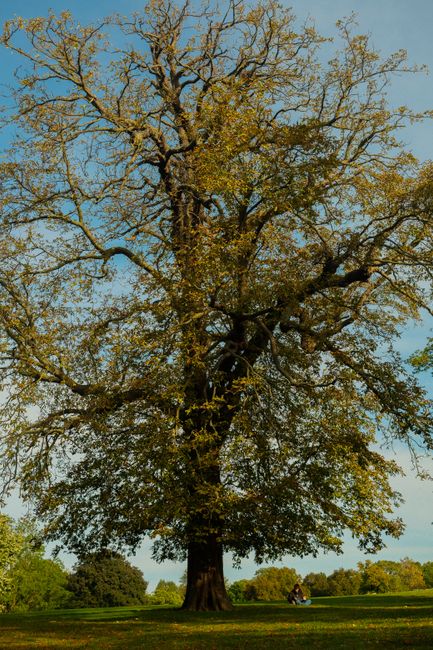
Barnes Common gardeners for large lawns and trees
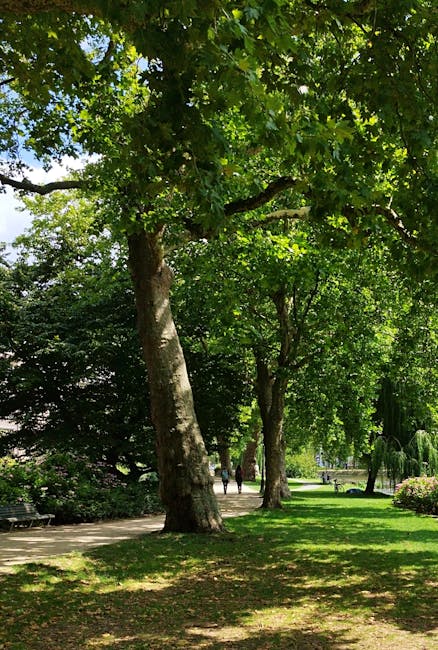
Large gardens have a way of looking calm from the back door and quietly demanding a lot of work the moment you step outside. Long grass, heavy shade under mature trees, moss, fallen twigs, roots pushing through borders, and the odd patch that never seems to dry out can turn a lovely space into a weekly wrestling match. That is exactly why Barnes Common gardeners for large lawns and trees are such a valuable option for local homeowners: they bring structure to big outdoor spaces, and they understand that a sizeable lawn is not just "more of the same". It has its own rhythm, its own problems, and its own maintenance needs.
If you are trying to keep a generous lawn healthy while also caring for established trees, this guide breaks down what professional help usually involves, what to expect, and how to choose the right approach. You will also find practical tips, a simple checklist, and a few real-world pointers that make the whole thing feel less daunting. Let's face it, a big garden can look impressive, but only if it is properly managed.
Why Barnes Common gardeners for large lawns and trees Matters
Large lawns and mature trees are often the defining features of a Barnes Common garden. They bring privacy, character, shade, wildlife value, and that soft, leafy feel people love in South West London. But they also create maintenance jobs that need more than an occasional mow. A big lawn can hide compaction, patchy drainage, disease, and uneven growth. Trees, meanwhile, need careful management so they stay safe, balanced, and healthy over the long term.
This is where a skilled gardener becomes more than a pair of hands. The right professional looks at the whole space: how sunlight moves across the lawn, whether tree canopies are starving grass of light, which roots are competing for moisture, and how seasonal work should be paced. That broader view matters because the lawn and the trees affect each other constantly. Cut one badly, or ignore the other, and the whole garden can start to feel tired.
For many households, the practical issue is time. A small front yard can be handled between errands, but a large garden with trees often needs regular, planned care. Mowing is one thing. Edge definition, leaf clearance, aeration, feeding, crown clearance, and safety checks are another. A decent setup keeps the garden looking intentional instead of half-managed. And yes, there is a difference. You can spot it from the street.
There is also a safety angle. Overgrown branches, unstable limbs, slippery leaf build-up, or tree roots lifting paving can all create avoidable risks. If your garden backs onto a path, shared boundary, or seating area, those details become even more important. In that sense, Barnes Common gardeners for large lawns and trees are not just improving appearance. They are helping keep the space usable through wet weather, windy spells, and the general chaos of a British growing season.
How Barnes Common gardeners for large lawns and trees Works
The process usually starts with a site assessment. On a large property, that first look is not a quick glance. A knowledgeable gardener will want to understand the size of the lawn, the age and species of the trees, the condition of the soil, the amount of shade, access points, and any recurring trouble spots. If the garden has been left for a while, this stage is especially useful because it sets priorities instead of trying to do everything at once.
From there, the work is usually split into a few practical layers:
- Lawn care: mowing, edging, feeding, scarifying, aeration, and seasonal repair.
- Tree care: pruning, crown lifting, deadwood removal, and monitoring for stress or disease.
- Ground management: leaf clearance, weed control, border tidying, and surface maintenance.
- Long-term planning: spacing tasks across the year so the garden improves steadily rather than bouncing between extremes.
On larger lawns, mowing alone is rarely enough. Grass that sits under trees often grows differently because of shade and root competition. It may need a slightly higher cut, better feeding, or periodic aeration to prevent the surface from becoming hard and dry. In our experience, that is where many gardens lose momentum: they get cut, but not really cared for.
Tree work also needs a thoughtful sequence. You do not want to prune simply because branches look untidy. The better question is: what is the tree trying to do, and what does the garden need from it? Sometimes the answer is a gentle reshape. Sometimes it is more about removing deadwood and letting light reach the lawn. Sometimes it means leaving the tree alone except for monitoring. Truth be told, restraint is often the mark of a good gardener.
For more complex outdoor projects, some homeowners also combine gardening with broader improvements such as landscaping support for larger gardens or ongoing regular garden maintenance. If trees are a major feature, it can also make sense to speak with a team that offers tree surgery when professional intervention is needed.
Key Benefits and Practical Advantages
People usually start looking for help because the garden feels too big to keep under control, but the benefits go beyond convenience.
- Better lawn health: A large lawn tends to suffer silently when drainage, compaction, or shade issues are ignored. Good care helps it recover and stay resilient.
- Safer tree management: Mature trees need checking for deadwood, overextended limbs, and structural concerns that can worsen in bad weather.
- Improved light and airflow: Smart pruning can open up the garden without stripping away the character of the canopy.
- Cleaner boundaries: Big gardens often look messy not because they are neglected, but because borders, edges, and under-tree spaces were never given a proper system.
- Less waste of effort: Instead of chasing the same problem every fortnight, you deal with the cause. That saves a lot of frustration.
There is also a visual benefit that is easy to underestimate. A lawn that has crisp edges and trees that are well-shaped make the whole property feel settled. Not overdone. Just cared for. That matters if you are entertaining outside, trying to make a home feel more polished, or simply want the garden to feel good when you glance out with a cup of tea on a grey morning.
For households with children, pets, or frequent visitors, a maintained lawn can be a genuinely usable surface rather than a muddy problem zone. If you are thinking about how a larger garden should function day to day, you may also find ideas from child-friendly garden planning useful, especially where play space and open lawn need to coexist with trees and shaded areas.
Who This Is For and When It Makes Sense
This kind of service is a strong fit for a few common situations.
- Homes with mature gardens: If your property has been established for years, you likely have a mix of old grass, big trees, and pockets of shade that need consistent attention.
- Busy households: If the garden takes half a weekend to tame, professional help can prevent it from becoming a seasonal panic.
- Properties with visible front or rear lawns: Large lawns set the tone for the whole home, so keeping them neat has real curb appeal value.
- Gardeners who want long-term improvement: If your lawn has been patchy for years, or your trees are becoming unwieldy, you may need a structured recovery plan rather than occasional tidying.
- Landlords and property managers: A large outdoor space can quickly affect first impressions and maintenance costs if it is left to drift.
It also makes sense if you already know the garden has specific pressure points: roots surfacing near the lawn, a very shady section under trees, or areas where leaves sit thickly every autumn and smother the grass. Those situations rarely sort themselves out. They just get more annoying.
Some owners ask whether they need a gardener or a tree specialist. The honest answer is that both can be useful, depending on what is happening. If the issue is routine pruning, canopy shaping, and keeping the garden balanced, a skilled garden team may be enough. If the tree is clearly hazardous, damaged, or in need of more technical work, then a more specialist approach is appropriate. Better to separate the jobs properly than blur them together and hope for the best.
Step-by-Step Guidance
If you are planning care for a large lawn and several mature trees, a simple step-by-step process helps you avoid expensive mistakes and wasted effort.
- Walk the garden slowly. Look for patchy grass, compacted ground, dead branches, fungal growth, bare soil, drainage issues, and branches that are rubbing or crossing.
- Map out the shade pattern. A lawn under dense tree cover will not behave like a sun-baked border. Note where the light changes through the day and across the seasons.
- Prioritise safety first. Any broken, hanging, or visibly unstable branches should be flagged before cosmetic work begins.
- Set a mowing strategy. Large lawns usually benefit from consistent cutting heights and a regular schedule rather than heavy, infrequent cuts.
- Plan tree work around the garden. If pruning can improve light and air movement, it may also help the lawn recover. The two jobs should support each other.
- Deal with debris properly. Leaves, twigs, and fine clippings can smother grass if they are left in thick layers. This sounds obvious, but it gets missed a lot.
- Review results after a few weeks. Good garden care is iterative. You should be checking whether the lawn is improving and whether the trees still look balanced.
Where a lawn has become compacted or thin, a service plan may include aeration, overseeding, or soil improvement. Where a tree canopy is causing long-term shade, the answer may be selective pruning rather than trying to force a full-sun lawn where nature has already made up its mind. That kind of judgement is what separates tidy work from genuinely useful work.
For gardens that have been neglected for some time, a staged recovery can help. A "clear, assess, restore, then maintain" approach usually works far better than trying to sort every problem in one visit. If the garden is really in need of a reset, this approach to garden transformation mirrors the logic well: stabilise the site first, then build up the quality.
Expert Tips for Better Results
Small adjustments make a surprisingly big difference in larger gardens. Here are the ones that matter most.
- Cut less aggressively under trees. Grass in shade usually copes better with a slightly higher cut because it has less energy to recover.
- Keep mower blades sharp. Ragged cuts stress the lawn and make the surface look dull. It is a tiny detail with a big effect.
- Clear the canopy floor regularly. Leaves, seed pods, and branch litter can build up quickly beneath mature trees.
- Work with the tree, not against it. A large tree creates a microclimate. Design around that instead of fighting it with unsuitable planting or turf expectations.
- Feed the lawn at the right time. Overfeeding can be as unhelpful as underfeeding, especially in stressed or shaded areas.
- Watch for root competition. If one section always looks thirsty or thin, the tree roots may be dominating the soil.
And a small but useful point: if you have a wide lawn, define zones. Not in a fussy way. Just enough structure to help maintenance feel manageable. For instance, a central mowing route, separate shaded corners, and tree-ring areas that are handled differently. That little bit of order can make the whole garden easier to live with.
If privacy and boundary structure are part of the bigger picture, you might also like ideas for fast-growing hedges or guidance on durable fencing materials. They are not direct fixes for lawn and tree care, but they often sit in the same garden conversation.
Common Mistakes to Avoid
Large lawns and mature trees punish shortcuts. Not dramatically, usually. Just steadily, which can be worse.
- Cutting the lawn too short: This weakens grass, especially in dry or shaded spots.
- Ignoring the canopy effect: Trees change light, moisture, and soil conditions. If you treat all lawn sections the same, some will always struggle.
- Leaving leaf build-up too long: A thick leaf layer blocks light and traps moisture. Moss loves that, grass not so much.
- Pruning for shape alone: Tree work should support health and safety, not only visual neatness.
- Using the wrong tools: Dull blades, blunt secateurs, or the wrong mower settings can create more damage than benefit.
- Trying to fix old problems in one go: Compaction, bare patches, and poor light often need a staged response.
One of the sneakiest mistakes is assuming that a tired lawn means it simply needs more mowing. Often it needs the opposite: a bit more air, a bit more nourishment, and less pressure from shade or foot traffic. Sounds simple, but it catches people out all the time.
Another common one? Overenthusiastic pruning. Once a tree has been hacked back too hard, it can respond unpredictably. More shoots, weaker structure, awkward regrowth. Not ideal. A measured approach is usually the better long-term play.
Tools, Resources and Recommendations
A good team working on a large lawn and trees will usually rely on a mix of practical tools and sensible planning. You do not need a shed full of gadgets, but you do need the right basics.
- For lawns: mower, edging tools, rake, aerator, spreader, and possibly a scarifier depending on lawn condition.
- For trees: pruning tools, ladders or access equipment where appropriate, and proper disposal methods for cut material.
- For seasonal cleanup: leaf blowers or rakes, barrows, tarps, and bags or collection systems for green waste.
- For planning: a simple garden log, seasonal calendar, and notes about problem zones.
If you are building up your own understanding of garden care, these resources are particularly helpful: a practical tools guide, starter gardening advice, and straightforward weed control techniques. They are the kind of pieces that save you from buying the wrong thing or taking the wrong approach first time round.
Where a garden has some awkward spaces under trees, ground cover can be a useful companion to turf. A well-chosen low layer can reduce weedy patches, hold soil, and soften the look of shaded corners. For inspiration, see ground-cover planting ideas for UK gardens. It is a sensible option when lawn is struggling in places and you do not want to keep forcing it.
Some homeowners also find that tree-adjacent gardens benefit from a broader refresh using landscaping ideas that manage wind exposure or a severe weather action plan. Large gardens have more moving parts. Planning for them is just sensible.
Law, Compliance, Standards, or Best Practice
With trees, safety and responsibility matter. If a tree is affecting boundaries, paths, access routes, or neighbouring properties, the work should be handled carefully and with an eye on local conditions and property responsibilities. In the UK, good practice usually means checking tree condition before work, avoiding unnecessary damage, and taking special care where branches or roots affect structures, fences, paving, or adjacent gardens.
It is also wise to think about access and working methods. Large lawn and tree work can involve equipment movement, lifting, and disposal of green waste. That means safe handling, sensible storage, and awareness of trip hazards. If a contractor is working on your land, you want them to take safety seriously, not just say the right words and hope for the best.
For peace of mind, many homeowners ask about insurance, safety procedures, and terms before agreeing to any garden work. That is not being difficult; it is being sensible. A reputable provider should be comfortable explaining how they approach risk, what happens if conditions change, and how they manage the work responsibly. Useful reference pages include insurance and safety information, health and safety policy details, and terms and conditions.
If you want to understand how a provider handles pricing, payments, and complaints, those details should also be clear before work begins. You can review pricing and quotes guidance, payment and security information, and the complaints procedure. That sort of transparency tends to be a good sign. No drama. Just clarity.
Options, Methods, or Comparison Table
There is more than one way to manage a large lawn with trees. The right choice depends on the size of the garden, the tree density, and how much upkeep you want to take on yourself.
| Approach | Best for | Strengths | Watch-outs |
|---|---|---|---|
| Regular mowing and light tree care | Gardens that are already in decent shape | Simple, consistent, cost-conscious | May not solve shade, compaction, or canopy issues |
| Seasonal garden maintenance | Large lawns with heavier autumn leaf drop | Good for leaf clearance, feeding, and recovery work | Less effective if the garden changes quickly during peak growth |
| Targeted tree work plus lawn restoration | Gardens with poor light, uneven turf, or overgrown trees | Addresses the underlying cause and improves usability | May need a longer-term plan rather than one visit |
| Full garden redesign support | Neglected or awkward large gardens | Creates structure, balance, and long-term manageability | Requires more planning and a bigger initial decision |
In many Barnes Common gardens, the best answer is a blend: keep the lawn tidy, work gently on the trees, and adjust the ground layer where grass will never thrive properly. That is often the least frustrating route, and honestly, the one that ages best.
Case Study or Real-World Example
Imagine a long rear garden with a wide lawn and three mature trees along the back boundary. In spring, the grass looks promising for a couple of weeks. By early summer, the shaded side starts thinning out, the centre becomes uneven, and by autumn the lawn is full of leaf litter and fine twigs. The trees are beautiful, but the whole space feels harder to use than it should.
A sensible approach would not begin with aggressive tree cutting. It would start with a survey of the lawn and canopy. The gardener would identify which branches are stealing the most light, where the grass is weakest, and whether roots or compaction are making things worse. Then the plan might include a gentler prune to improve light, a mowing schedule set a little higher than standard, removal of debris in the leafy season, and a few ground-cover or border changes in the darkest patch.
After that, the owner would begin to notice the difference in small ways first. The garden feels cleaner after rain. The grass recovers more evenly. The shade remains lovely, but not oppressive. And when the wind picks up, the canopy is less noisy and less messy. That is the kind of improvement people often mean when they say they want the garden "sorted", even if they do not quite know how to describe it at the start.
If the work needs to be discussed with a team, a straightforward starting point is the site's own about us information and a clear first conversation about the garden's condition. That tends to be better than jumping straight to a menu of services. A garden is not a menu item. It has history.
Practical Checklist
Use this quick checklist before arranging work on a large lawn and mature trees.
- Walk the garden and note the worst areas.
- Check which parts of the lawn are shaded for most of the day.
- Look for deadwood, crossing branches, and obvious safety concerns.
- Decide whether the lawn needs recovery work as well as mowing.
- Remove leaves and debris before they build up heavily.
- Confirm access for equipment and waste removal.
- Ask how tree work will affect light levels on the grass.
- Review insurance, safety, terms, and pricing before agreeing.
- Choose a maintenance rhythm you can actually keep up with.
- Set expectations for the first visit and the follow-up visit.
Expert summary: for large lawns and mature trees, the smartest plan is usually not the flashiest one. It is the plan that respects shade, soil, safety, and seasonality all at once. That is how a big garden stays handsome without becoming a burden.
Get a free quote today and see how much you can save.
Conclusion
Large gardens with trees can be spectacular, but they need thoughtful care to stay that way. The best Barnes Common gardeners for large lawns and trees understand that mowing, pruning, clearing, feeding, and long-term planning all belong to the same conversation. When those parts work together, the whole space feels lighter, calmer, and easier to enjoy.
If your lawn is patchy, your trees are crowding the light, or the garden simply feels too big to stay on top of, the answer is rarely more effort in the wrong places. It is usually better judgement. And a bit of consistency. Maybe that sounds plain, but plain works.
Done well, a large Barnes Common garden becomes one of those places you actually want to step into at the end of the day. Fresh air, a clean lawn, trees moving softly above you, and a sense that the place is being cared for properly. That is worth getting right.
Frequently Asked Questions
What do Barnes Common gardeners for large lawns and trees usually do?
They typically handle a mix of lawn care, edging, leaf clearance, tree pruning, seasonal maintenance, and longer-term planning for shade, growth, and garden balance.
How often should a large lawn be maintained?
It depends on growth rate, season, and usage, but large lawns usually do best with regular attention rather than occasional heavy cuts. A steady rhythm keeps the grass healthier.
Can tree shade damage a lawn?
Yes, prolonged shade can thin grass, increase moss, and make the ground harder to keep even. Sometimes the answer is more light; sometimes it is changing what grows beneath the tree.
Do mature trees always need pruning?
Not always. Some trees benefit from very light work or periodic safety checks only. Pruning should have a clear purpose, such as improving structure, safety, or light.
What is the best time of year to care for trees and lawns?
There is no single best time for everything. Lawn recovery often follows seasonal growth patterns, while tree work depends on species, condition, and the specific job needed.
Should I choose lawn care or tree surgery first?
If there is a safety issue with a tree, deal with that first. If the garden is generally sound, a combined plan can often improve both the lawn and the trees together.
How do I know whether my lawn needs aeration?
If the ground feels hard, water sits on the surface, or the grass seems thin despite regular care, aeration may help. It is especially useful on compacted or heavily used lawns.
Can leaf build-up really harm grass?
Yes. Thick leaf layers block light and trap moisture, which can weaken grass and encourage moss or rot. Clearing leaves promptly makes a noticeable difference.
Is a large garden more expensive to maintain?
Usually, yes, because there is simply more ground and more plant material to manage. But a good maintenance plan often reduces waste and prevents expensive problems later.
What should I ask before booking garden work?
Ask about the planned tasks, how safety is handled, what happens to waste, how pricing works, and whether the work will support long-term improvement rather than just a quick tidy.
Can I combine lawn care with broader garden improvements?
Definitely. Large gardens often benefit from a joined-up approach, especially where planting, shade, drainage, and layout all affect how the lawn performs.
What if my trees are healthy but the lawn underneath is poor?
That is a very common situation. In many cases, the lawn needs a different treatment approach, or the shaded ground may be better suited to a tougher planting scheme than conventional turf.