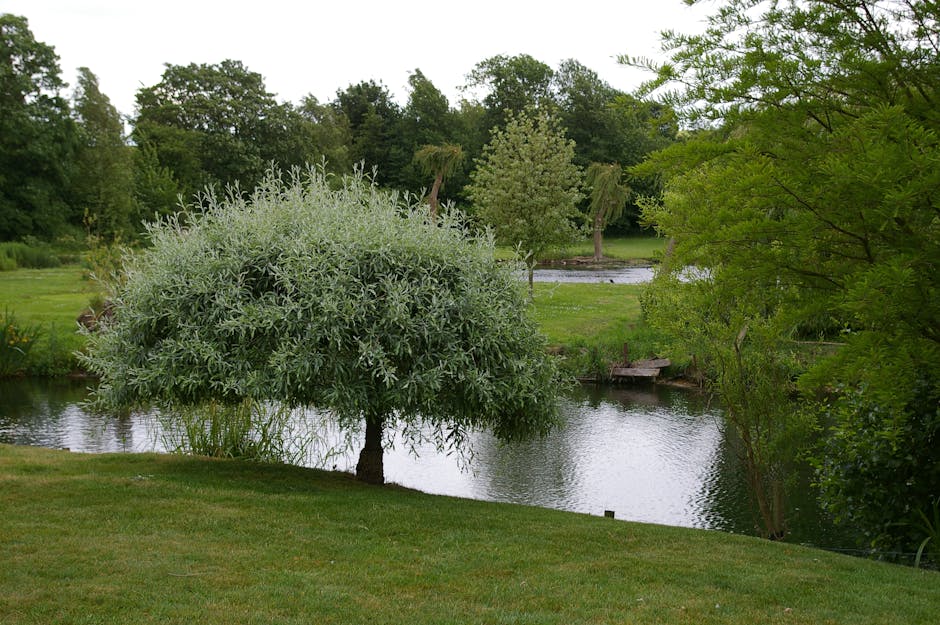
Gardeners near Barnes Pond expert planting and care
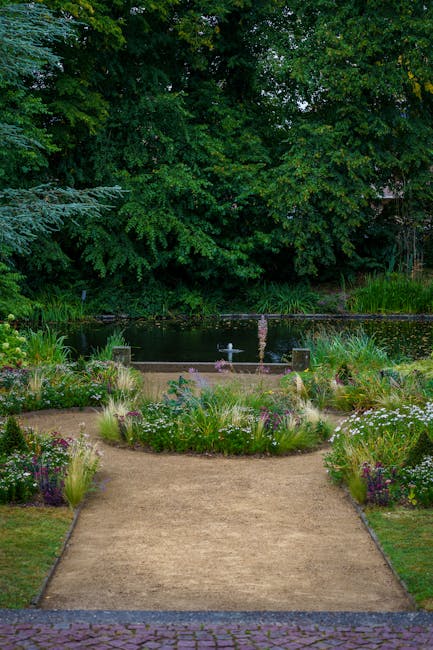
If you are searching for gardeners near Barnes Pond expert planting and care, you probably want more than a quick tidy-up. You want plants chosen sensibly, borders that still look good after a wet week, and care that feels calm rather than patchy and reactive. That is fair enough. Around Barnes Pond, gardens can be beautifully sheltered in some spots and unexpectedly exposed in others, so expert planting is never just about what looks nice in the moment.
This guide walks through what expert planting and care actually means, how a professional approach works in a local London setting, and what to look for if you want a garden that settles in properly and keeps improving. We will cover plant selection, seasonal routines, common mistakes, practical tools, and the kind of judgement that makes the difference between a garden that survives and one that genuinely flourishes.
Why expert planting and care matters near Barnes Pond
Gardens near Barnes Pond tend to live with a few competing conditions: leafy shade from mature trees, pockets of moisture, compacted soil in well-used spaces, and the occasional burst of wind that makes softer planting flop around like it has lost its confidence. A plant can look perfect in a nursery pot and still struggle badly once it is placed in the wrong spot. That is why local knowledge matters.
Expert planting and care is really about matching plant choice to the actual site, not the idealised version in your head. It includes soil preparation, drainage, spacing, root establishment, pruning rhythm, watering habits, and the seasonal timing of all those jobs. Get those things right and you do not just have healthier plants; you get less waste, fewer replacements, and a garden that starts to feel settled.
There is also the simple reality that a local garden often needs more thoughtful maintenance than a generic one. A sheltered courtyard will need different care from a front garden that catches the full brunt of winter weather. A shady boundary may be crying out for structural planting, while a sunny terrace may need drought-tolerant containers and lighter-touch feeding. It sounds obvious, but it is surprising how many gardens are planted as if every corner behaves the same way. They do not.
For readers wanting a broader service overview, it can help to look at the wider range of gardening services available, especially if planting is only one part of a larger garden refresh.
How expert planting and care works
The best planting process usually begins with an honest site assessment. Not glamorous, but essential. Before anyone puts a spade in the ground, they should be thinking about soil texture, drainage, sunlight through the day, wind movement, existing roots, access, and how the space is actually used. A family garden with children running through it needs different layout decisions from a quiet, ornamental courtyard. Truth be told, the planning stage does most of the heavy lifting.
Once the site is understood, plant selection comes next. Expert gardeners usually think in layers:
- Structure - shrubs, small trees, hedging, or evergreen anchors that hold the shape of the garden.
- Mid-layer planting - perennials, grasses, and seasonal colour that bring movement and texture.
- Ground cover - plants that suppress weeds, protect soil, and soften edges.
- Feature accents - containers, climbers, herbs, or specimen plants for focal points.
Then comes the practical side of establishment. New planting needs proper soil improvement, careful watering, and a realistic settling-in period. This is where a lot of DIY efforts go a bit wobbly. Overwatering is common. So is planting too deeply, or assuming mulch is a decorative extra rather than a moisture-saving layer that actually helps the whole bed behave better.
After installation, care becomes a routine rather than a rescue mission. That routine may include deadheading, formative pruning, feeding where needed, checking for pests, resetting stakes, lifting fallen foliage, and making seasonal adjustments. If you prefer to read more about the practical side of regular upkeep, the site's garden maintenance page is a useful companion to this topic.
And yes, timing matters. Spring planting is often energising, autumn planting can be superb for root development, and summer planting can work if watering discipline is good. But each season asks something slightly different of the gardener. No magic tricks, just good judgement.
Key benefits and practical advantages
Good planting and care deliver benefits that are easy to see and some that only become obvious after a few months. The most obvious one is appearance: healthy planting looks fuller, more balanced, and more intentional. But the deeper value is resilience.
Here is what expert planting usually gives you in practice:
- Better plant survival because the right species are matched to the right conditions.
- Lower replacement costs since fewer plants fail after the first season.
- Improved weed control through dense planting, mulch, and ground cover.
- More seasonal interest with layered planting choices rather than one-note borders.
- Cleaner boundaries where hedges, screens, and climbers are managed properly.
- Less stress for the homeowner because the garden has a clear care plan.
There is also a subtle but important benefit: a professionally planted garden usually becomes easier to maintain over time. Plants that are given enough room, enough light, and enough root space do not need constant correction. That means fewer emergency fixes, less pruning panic in midsummer, and fewer situations where you are standing there thinking, "Well, that's not ideal."
Expert summary: the best planting is not the most expensive or the most colourful. It is the planting that suits the site, roots properly, and can be maintained without turning every weekend into a chore.
If the garden also needs privacy, shelter, or boundary definition, planting can work hand in hand with screening features. For example, a well-chosen hedge may sit alongside durable boundary materials from this guide to fencing for windy conditions, which is genuinely relevant where exposure is part of the brief.
Who this is for and when it makes sense
This kind of service suits a lot of different people. Some want a complete garden transformation. Others just need one difficult area brought back under control. You may need expert planting and care if:
- your borders are patchy, overgrown, or full of gaps after winter;
- you have inherited a garden and do not know what is already planted;
- your space gets shade, wind, or poor drainage in one or more areas;
- you want a lower-maintenance garden that still feels generous and green;
- you need planting that works around children, pets, or daily family use;
- you are improving a rental, a townhouse garden, or a compact outdoor space;
- you simply want the planting to look more composed and less improvised.
It also makes sense if you already know what you want but need help making it work on the ground. A lot of people come in with a clear taste but not the site knowledge. That is normal. Maybe you love a lush, natural look, but your soil is heavy and your light levels are limited. Maybe you want herbs close to the kitchen, but the only viable sunny spot is in containers. That is where experienced gardeners save time and, honestly, save a few expensive mistakes.
For anyone weighing up whether to tackle things in stages, a few smart ideas from a neglected-to-nourished garden transformation approach can be useful before committing to a full redesign.
Step-by-step guidance
If you want to understand how a strong planting project should unfold, this is the cleanest way to think about it.
- Start with the site survey. Look at sun, shade, wind, drainage, access, soil condition, and existing features. This is where the honest brief begins.
- Define the purpose of the space. Is the garden for family use, visual calm, productivity, privacy, or all of the above? The answer changes everything.
- Choose plants for the conditions first. Style matters, but plant survival matters more. A gorgeous plant in the wrong place is just a temporary guest.
- Prepare the soil properly. Clear weeds, improve structure, add organic matter where needed, and make sure drainage is sensible.
- Plant with spacing in mind. It is tempting to pack everything in. Resist that urge. Plants grow up, out, and sometimes with surprising enthusiasm.
- Water deeply and consistently after planting. Shallow splashing does not help roots travel downward.
- Mulch and protect. A good mulch layer helps moisture retention and keeps weeds from making themselves at home.
- Review after the first season. Some plants thrive immediately, others need a structural haircut or a change in care rhythm.
One small but useful detail: if you are planting around a terrace or a compact courtyard, think about vertical opportunities as well as ground-level beds. The article on vertical gardening for compact spaces is a helpful reference for making small areas feel much more alive.
Step-by-step does not mean slow. It means deliberate. There is a difference.
Expert tips for better results
After a lot of garden work, a few patterns become very clear. The gardens that age well usually follow a handful of straightforward habits.
- Use the right plant in the right place. This is still the golden rule, and it saves more trouble than any fancy product.
- Build in layers. One layer of planting rarely gives enough cover, texture, or seasonal depth.
- Choose ground cover early. It helps the garden look finished while also suppressing weeds.
- Think about maintenance before buying. A plant you love but cannot care for will eventually become a problem.
- Leave room for mature size. Tiny plants do not stay tiny. Nature does not really care about the catalogue photo.
- Mulch like you mean it. It is one of the easiest ways to protect roots and reduce watering stress.
- Prune with intention. Snipping randomly can spoil shape and reduce flowering.
For softer spaces and exposed edges, planting choices can make a remarkable difference. A good mix of ground-hugging and upright plants keeps the garden visually stable when the weather turns. If you are exploring planting ideas for difficult margins, ground cover ideas for UK gardens and fast-growing hedges for privacy are both worth a look.
One more thing: do not ignore soil health. People often chase the plant list before the soil is sorted. It is a bit like buying a lovely coat before checking whether the zip works. Not the right order.
Common mistakes to avoid
Most planting problems are not mysterious. They are usually basic, repeatable, and avoidable. Here are the big ones.
- Planting without checking drainage. Waterlogged roots can fail even when the plant looks fine above ground for weeks.
- Buying for looks alone. A plant that loves dry sun will not be happy in a damp, shaded corner.
- Overcrowding. It may look lush on day one, but overcrowding creates weak airflow and future competition.
- Underwatering after installation. New plants need consistent establishment care, not just an occasional glance.
- Skipping weed control. Once weeds get established, they steal water, nutrients, and time.
- Using too much feed too soon. More is not always better, particularly for young roots.
- Ignoring seasonal checks. A quick review every few weeks is far easier than a full rescue job later.
If weeds are already taking hold, it may help to use structured removal methods rather than the "I'll sort it later" approach, which, let's face it, is rarely a strategy. A practical read on effective weed control techniques can support a planting plan nicely.
And if ivy has started moving where it should not be, do not leave it to wrestle the wall, the fence, and your patience all at once. That situation usually gets more annoying, not less. A careful guide to lasting ivy eradication can be useful in those cases.
Tools, resources and recommendations
You do not need a van full of kit to maintain a garden well, but you do need the right basics. Good tools make work cleaner, quicker, and safer. Cheap, blunt, or badly balanced tools tend to waste energy and damage plants. Nobody needs that sort of drama on a damp Saturday morning.
Useful essentials include:
- sharp secateurs for pruning and deadheading;
- a sturdy spade and border fork for soil work;
- a hand trowel for planting in beds and containers;
- watering cans or a hose with sensible reach for establishment care;
- gloves that actually fit and protect your hands;
- mulch, compost, and organic matter suited to the bed;
- ties and soft supports for climbers or taller stems.
If you are building your own toolkit, the article on must-have gardening tools is a practical starting point. For beginners, a gentler introduction like these beginner gardening tips can also be reassuring.
Resources are not just tools, though. Seasonal note-taking helps. A simple record of what was planted, where it went, and how it behaved after three months can save a lot of guessing later. Small effort, big payoff.
Law, compliance, standards and best practice
For domestic gardening, the main concern is usually not formal regulation but good practice, safe work, and respect for neighbours and property boundaries. That said, responsible gardening still needs a careful eye on practical duties.
In the UK, anyone carrying out work on a property should work safely, use equipment sensibly, and be mindful of access, trip hazards, and waste handling. If tree work, boundary work, or heavy pruning is involved, the right level of care matters even more. Larger jobs may need specialist judgment, especially where roots, overhead growth, or nearby structures are involved.
It is also sensible to consider insurance, clear terms, and transparent communication when hiring professionals. That helps set expectations around scope, timing, and what is included. If you want to understand how a service provider frames those expectations, pages such as insurance and safety, health and safety policy, and terms and conditions can help build confidence.
For customers who care about service fairness and process, it is also reasonable to review the complaints procedure and payment and security information before booking. That is just sensible due diligence, nothing dramatic.
Finally, accessibility and privacy matter too. A professional service should be clear about how it handles personal data and how accessible information is presented. Those expectations are reflected in pages like accessibility statement, privacy policy, and cookie policy.
Options, methods and comparison table
Different gardens need different levels of intervention. Here is a simple comparison to help you decide what kind of approach is most suitable.
| Method | Best for | Strengths | Trade-offs |
|---|---|---|---|
| DIY planting | Small beds, containers, easy-access spaces | Lower upfront cost, flexible timing, personal involvement | Higher risk of wrong plant choice or weak establishment |
| Partial professional support | Problem areas, border redesign, planting plans | Good balance of guidance and budget control | Requires some homeowner follow-through |
| Full expert planting and care | Complex sites, full refreshes, demanding conditions | Strongest results, better long-term resilience, less guesswork | Higher initial investment than DIY |
For many Barnes Pond gardens, the middle route is actually the sweet spot. A professional plan for layout, soil improvement, and planting, followed by a manageable care schedule, often gives the best value. It keeps the garden looking intentional without turning every future season into a project.
If boundary planting is part of the brief, you may also want to compare it with screening or structural options. A useful companion read is landscaping ideas that help curb wind impact, especially for exposed corners. And if a hedge is part of your design, it is worth thinking about long-term shape and trimming rhythm too, including advice from hedge trimming shapes explained.
Case study or real-world example
Here is a realistic scenario. A homeowner near Barnes Pond had a rear garden that looked tidy in April but rather tired by late summer. The borders were thin, the soil was heavy clay in parts, and one side of the garden stayed shaded for most of the day. The owner had tried a few bright perennials, but they kept thinning out, and the whole space felt temporary.
Rather than rip everything out, the planting plan was rebuilt around conditions. Shade-tolerant structure was added on the darker side, moisture-loving plants were grouped where drainage was better, and low, spreading ground cover was used to close gaps. Containers were placed closer to the seating area for seasonal colour and herbs. A mulch layer helped hold moisture through warmer spells. Nothing flashy. Just careful decisions.
By the end of the season, the space felt calmer. Not finished in a rigid, showroom sense, but settled. That is often the real goal. The garden started to work with the site instead of against it. The owner also reported spending less time fighting weeds and more time simply enjoying the view from the kitchen window on a quiet Sunday morning. That sort of change is modest on paper, but in real life it matters a lot.
If you are curious about adding useful edible planting into a similar layout, the article on growing fresh herbs at home is a nice fit. And for smaller or more flexible spaces, container gardening ideas can help bridge the gap between design and practicality.
Practical checklist
Use this checklist before planting, or when reviewing an established garden that needs better care.
- Check light levels across the day, not just at midday.
- Look for waterlogging, dry patches, and compacted soil.
- Decide whether the main goal is privacy, colour, structure, wildlife value, or easy maintenance.
- Choose plants that match the soil, shade, wind, and root competition.
- Prepare beds properly with weed removal and soil improvement.
- Allow enough room for mature spread.
- Use mulch to protect roots and reduce weeds.
- Set a watering plan for the establishment period.
- Plan seasonal pruning, deadheading, and feeding where appropriate.
- Review the garden after each season and adjust rather than waiting for things to fail.
If you want a fuller recovery plan for a tired outdoor space, you may find the approach in a neglected-to-nourished garden transformation especially useful.
Get a free quote today and see how much you can save.
Conclusion
Expert planting and care near Barnes Pond is not really about buying more plants. It is about making better decisions from the start, then looking after those decisions properly. When the planting suits the site, the soil is prepared well, and the maintenance is realistic, the garden becomes easier to enjoy and easier to keep in good shape. That is the difference between a space that always feels slightly unfinished and one that quietly improves month after month.
Whether you are trying to soften a boundary, revive tired borders, create shade-friendly planting, or build a more low-maintenance rhythm, the right approach will save time and frustration in the long run. And if there is one thing gardens teach us, it is patience. A good one rarely announces itself all at once. It grows into itself, one sensible choice at a time.
If you are ready to take the next step, the best move is usually a proper assessment and a clear planting plan. That way, the garden gets the care it needs now and the shape it deserves later. Nice and steady. That tends to work.
Frequently Asked Questions
What does expert planting and care include?
It usually includes site assessment, plant selection, soil preparation, planting, watering guidance, mulching, pruning, and seasonal upkeep. In practice, it is a full establishment-and-maintenance approach rather than a one-off planting job.
How do I know if my Barnes Pond garden needs professional planting help?
If your garden has patchy borders, poor drainage, awkward shade, exposed corners, or repeated plant failures, professional help can save time and avoid more expensive replanting later.
What kinds of plants work well in shaded London gardens?
Shaded gardens often benefit from woodland-style plants, ferns, shade-tolerant shrubs, structured evergreens, and resilient ground cover. The key is matching the planting to how much light the space truly gets.
Is autumn or spring better for new planting?
Both can work well. Autumn often helps roots establish before summer heat, while spring gives a strong start for many plants. The best season depends on the plant type, soil condition, and how much watering support is available.
How long does new planting take to settle in?
Most new planting needs at least one growing season to establish properly, and some shrubs or trees take longer. Early care is crucial, especially with watering and weed control.
Can expert planting reduce maintenance later on?
Yes. When plants are chosen well and spaced properly, the garden usually needs less rescue work, fewer replacements, and less repeated correction. That is one of the biggest long-term advantages.
What is the biggest mistake homeowners make with new plants?
Planting for looks alone is a common mistake. The second biggest is underestimating watering and soil preparation. A lovely plant still needs the right conditions to survive.
Do I need a full garden redesign to improve planting?
No. Often, targeted improvements to one border, a shady side return, or a front garden bed can make the whole space feel better. Small, well-chosen changes can have a surprisingly big effect.
How do ground cover plants help?
Ground cover helps suppress weeds, protect soil, and create a finished look at lower levels. It is especially useful in awkward spaces where frequent maintenance is difficult.
What should I ask a gardener before hiring them for planting work?
Ask how they assess the site, how they choose plants for local conditions, what aftercare is included, and whether they provide clear guidance on watering and seasonal maintenance. Those questions tell you a lot.
Are there any safety or compliance points I should think about?
Yes. Good practice includes safe tool use, sensible access, careful waste handling, and clear expectations about scope and terms. If the work involves trees, larger structural changes, or boundary issues, extra care is sensible.
Can I combine planting with privacy and wind protection?
Definitely. Hedges, layered shrubs, screening plants, and structural landscaping can all help. It is best to think about those goals early so the planting plan supports them from the beginning.
What is the best first step if my garden feels overwhelming?
Start with a site assessment and a short list of priorities. Focus on the worst area first, whether that is shade, weeds, tired borders, or poor drainage. Once one section improves, the rest often feels much more manageable.
About the team and the wider approach behind the service can also help you decide whether a gardener is the right fit for your space. If you are comparing options, a quick look at pricing and quotes may be useful too.